

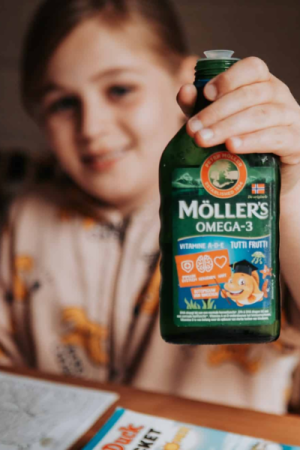
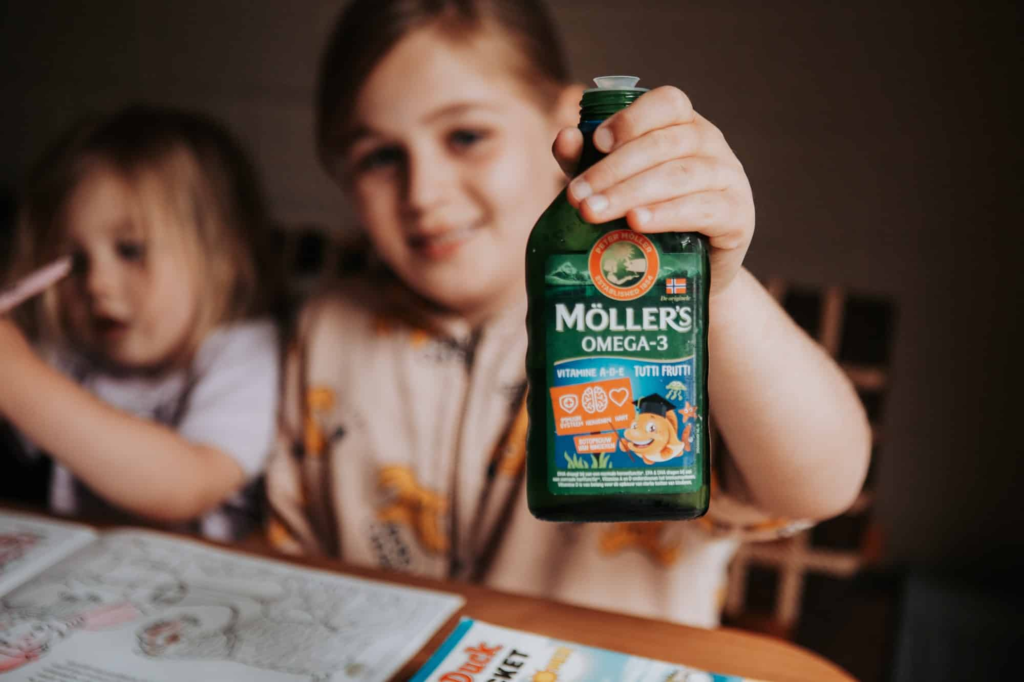
It’s Tuesday morning, and the day has already started with a small challenge. You are preparing breakfast while your daughter tells you she does not want to eat the apple you just cut. Yesterday it was vegetables, and today it is fruit. Many parents know this feeling. You want your child to eat healthy foods, but it is not always easy. That is why many families also look at supplements like Kids Vegan Omega 3 to help fill nutrition gaps. While healthy meals should always come first, a good omega-3 supplement can be a simple way to support your child’s growth and development when eating fish or other omega-3 foods is difficult.
Omega-3 fatty acids play an important role in your child’s brain, eyes, and overall health. During childhood, the body and brain grow quickly, making these healthy fats even more important. If your child does not eat fish often or follows a vegetarian or vegan diet, getting enough omega-3 may become a challenge.
In this guide, you’ll learn why Kids Vegan Omega 3 matters for children, how much they need, the different types of omega-3 supplements, and easy ways to include them in your family’s daily routine.
Why Omega-3 Matters for Growing Children
Omega-3 is a healthy fat that your body cannot make in enough amounts on its own. Children must get it from food or supplements. The two most important types are DHA and EPA.
DHA is a major building block of the brain and eyes. During the first years of life, the brain develops rapidly, making DHA especially important. EPA works together with DHA to support healthy body functions, including the immune system and heart health.
Research has shown that children who get enough omega-3 may have better attention, improved learning ability, and healthy vision. Omega-3 also supports the body’s natural defense system, helping children stay healthier throughout the year.
Parents often notice that their children have trouble focusing, become distracted easily, or struggle during busy school days. While omega-3 is not a cure for attention problems, getting enough of it supports normal brain function and healthy development.
Children who do not regularly eat fatty fish such as salmon, sardines, or mackerel may benefit from an omega-3 supplement, especially if recommended by their healthcare provider.
Choosing the Best Omega-3 and Making It Part of Everyday Life
How Much Omega-3 Do Children Need?
The amount of omega-3 your child needs depends on age.
- Babies around six months and older often need about 250 mg of DHA daily.
- Toddlers between one and three years generally need around 250 to 500 mg of DHA and EPA each day.
- Children over four years old often benefit from around 500 mg daily.
- During pregnancy and breastfeeding, mothers are usually advised to get between 250 and 450 mg of DHA and EPA each day to support both their own health and their baby’s development.
Always follow the dosage provided on the supplement label or the advice of your child’s healthcare professional.
Fish Oil, Cod Liver Oil, or Kids Vegan Omega 3?
Parents have several choices when selecting an omega-3 supplement.
Fish oil is one of the most common sources of DHA and EPA. It comes from oily fish and provides both important omega-3 fats.
Cod liver oil is made from the liver of cod fish. Besides omega-3, it naturally contains vitamins A and D, which support healthy bones, teeth, and the immune system. Since vitamin A can build up in the body, it is important to follow the recommended serving size.
For families who prefer a plant-based option, Kids Vegan Omega 3 is an excellent choice. It is made from algae instead of fish. Algae are the original source of DHA in the food chain, making vegan omega-3 a sustainable and fish-free alternative. This option is ideal for vegan families, children with fish allergies, or those who simply do not like the taste of fish.
Many children’s omega-3 supplements now come in pleasant flavors like lemon, berry, or fruit, making them much easier to take every day.
Easy Ways to Add Omega-3 to Your Child’s Routine
Building a healthy habit does not have to be difficult.
Make omega-3 part of breakfast so your child remembers it every day. Keeping the bottle next to the cereal or yogurt can help create a simple routine.
If your child dislikes taking oil directly from a spoon, mix it into yogurt, oatmeal, smoothies, or applesauce. Many children will not notice the taste.
Choose a flavor your child enjoys. Child-friendly products are designed to taste pleasant, making daily use much easier.
You can also encourage consistency by using a reward chart or giving praise each time your child remembers their daily supplement.
Whenever possible, continue serving foods that naturally contain omega-3, including salmon, sardines, tuna, walnuts, chia seeds, flaxseeds, and fortified foods. Supplements work best as part of an overall healthy diet.
Helping your child get enough omega-3 does not have to be stressful. Small daily habits can make a big difference over time. Whether you choose fish oil, cod liver oil, or Kids Vegan Omega 3, the goal is the same: supporting healthy brain development, good vision, and a strong immune system.
Every family is different, and every child has different food preferences. Finding an omega-3 supplement that fits your child’s needs can make healthy nutrition much easier. Combined with balanced meals, regular physical activity, and enough sleep, omega-3 can become one simple part of raising a healthy and happy child.
Conclusion
Making sure your child gets enough omega-3 does not have to be difficult. While balanced meals should always come first, many children do not eat enough foods that naturally provide DHA and EPA. Choosing a quality omega-3 supplement can help support healthy brain development, eye health, and a strong immune system during the growing years.
For families who prefer a plant-based option, Kids Vegan Omega 3 offers a simple and convenient way to provide important omega-3 fatty acids without using fish. It is especially suitable for vegan households, children with fish allergies, or picky eaters who dislike seafood. When combined with a healthy diet, regular exercise, and enough sleep, it can become part of a daily routine that supports your child’s overall health.
Remember that every child has different nutritional needs. If you are unsure which omega-3 supplement is right for your child, speak with your healthcare provider for personalized advice. By making small, healthy choices each day, you can help give your child the nutrients they need to grow, learn, and thrive with confidence.
