

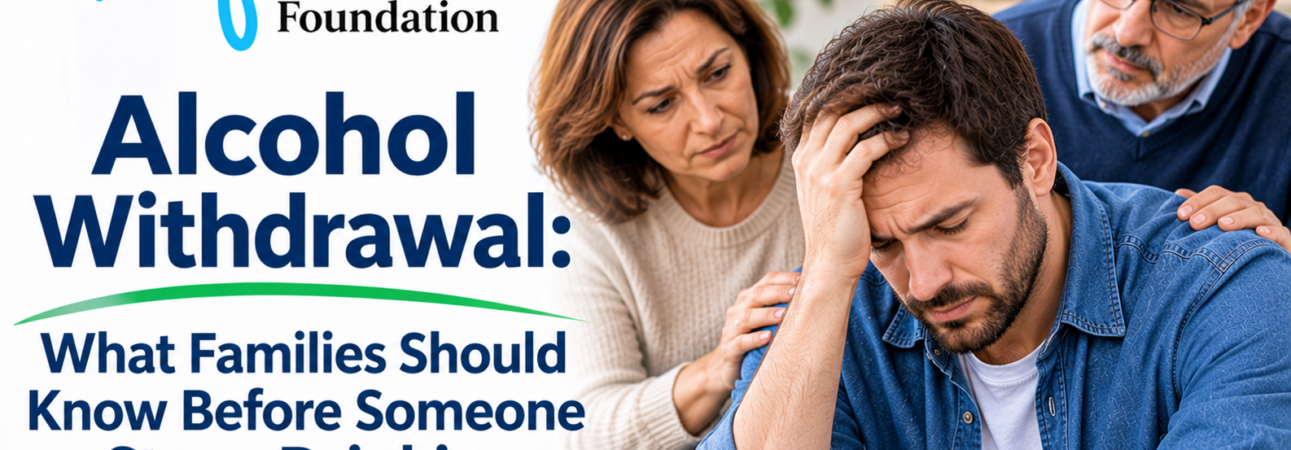
“I will stop from Monday” can sound like the sentence a family has waited years to hear. Sometimes stopping alcohol is straightforward. For a person who has been drinking heavily and regularly, however, sudden cessation can be medically dangerous. The body may have adapted to alcohol, and withdrawal can become severe even when the person is determined to change.
The correct first question is not how much willpower someone has. It is whether stopping or reducing alcohol requires clinical supervision.
Dependence is not measured by appearance
A person may go to work, pay household bills and still have alcohol dependence. Another may drink heavily on some occasions without being physically dependent. No relative can reliably classify withdrawal risk from appearance alone.
Clues that merit medical assessment include drinking to settle morning shakiness, sweating or anxiety when alcohol wears off, previous withdrawal symptoms, increasing intake over time and difficulty reducing use despite harm. A clinician will also consider overall health, medicines, seizures, mental health and previous attempts to stop.
The AIIMS National Drug Dependence Treatment Centre’s 2019 report, based on a national survey, estimated that about 2.7% of India’s population aged 10–75 had a dependent pattern of alcohol use. This is a historical national estimate, not a current Pune figure and not a diagnosis for any individual. It shows why medical discussions about alcohol dependence belong in ordinary healthcare, not only in private family disputes.
Withdrawal can develop after the last drink
Early symptoms may include tremor, nausea, sweating, restlessness, anxiety and sleep disturbance. Some people develop hallucinations, seizures or delirium with marked confusion. The timing and severity vary. A person who initially seems comfortable may still be at risk, particularly with previous complicated withdrawal.
The World Health Organization advises that people at risk of severe withdrawal, those with serious physical or psychiatric illness and those without adequate support should preferably be managed as inpatients. The National Institute on Alcohol Abuse and Alcoholism also warns that withdrawal from prolonged heavy drinking can be life-threatening.
Do not use an internet schedule to taper alcohol, borrow medicines or assume a family member can safely supervise withdrawal overnight. A qualified professional should decide what care is needed. If a person has a seizure, severe confusion or other alarming symptoms, seek urgent medical attention.
Medical stabilisation and recovery are different tasks
Managing withdrawal addresses the immediate physical risk. It does not by itself answer why alcohol became difficult to control or how the person will cope with stress, work and social drinking afterward.
Longer-term care can include psychological therapies, medicines selected by a clinician, family support and regular review. The World Health Organization supports structured psychosocial treatment for alcohol dependence and recognises that certain medicines can help reduce relapse to heavy drinking in suitable patients. Medicine choices depend on health history, contraindications and professional supervision.
When evaluating an alcohol rehabilitation centre in Pune, ask whether it can assess withdrawal risk directly and what happens if hospital-level treatment is required. A centre offering residential counselling may not have facilities for severe withdrawal. It should explain its limits rather than promising that every admission can be managed on-site.
What families can do before the appointment
Make a straightforward record of drinking patterns as accurately as possible: frequency, approximate amount, recent changes and when the last drink was taken. Add prescribed medicines, other substances, earlier withdrawal episodes, liver disease and mental health concerns. Encourage the person to discuss this information candidly with the clinician.
Choose one calm relative to accompany the person if they want support. Avoid a confrontation on the way. A doctor needs useful health information, not a list of grievances delivered in front of the patient.
If the person has dependent children, arrange safe care while assessment takes place. If they drive or operate machinery, discuss current impairment and workplace safety with the appropriate professional. Practical planning is part of reducing harm, not an admission that recovery is impossible.
Do not confuse embarrassment with privacy
Stigma often delays care. Someone may worry that neighbours will learn they are visiting a de-addiction service or that their employer will find out. Ask about confidential consultations, consent and records policies. Do not share appointment details in large family groups without a good reason.
For people arranging a Pune consultation, get directions through the specified map listing, but verify the correct clinic entrance and appointment time directly. A listing is useful for navigation; it does not establish whether emergency medical services are available. If the person has acute withdrawal symptoms, a planned trip across the city should not delay emergency care.
Recovery may involve the whole household, but it belongs to the patient
Families can reduce practical barriers, attend agreed sessions and avoid keeping alcohol as the centre of every social gathering. They can also set boundaries against violence, unsafe driving or use of household money without consent. Helping does not require pretending that previous harm did not occur.
The patient should understand treatment options and participate in decisions to the extent possible. Threats, punishment or humiliating rituals are not evidence-based treatment. If the family is unsure how to encourage care, professional advice on communication may be more constructive than repeated ultimatums.
Some people need more than one period of care. The appropriate response to difficulty is a fresh assessment of risk, adherence, mental health, social pressures and treatment needs. A claim that one admission can permanently eliminate every risk should be treated cautiously.
Stopping harmful drinking can be a significant health decision. The safest first step is to understand whether withdrawal poses a medical risk and arrange the right level of care. Once that foundation is in place, there is room to address the longer work of living without dependence.
Do not use this information to attempt alcohol detoxification or change sedative medicines without medical advice. Seizures, serious confusion, distressing hallucinations or other severe symptoms need urgent medical assessment.
