

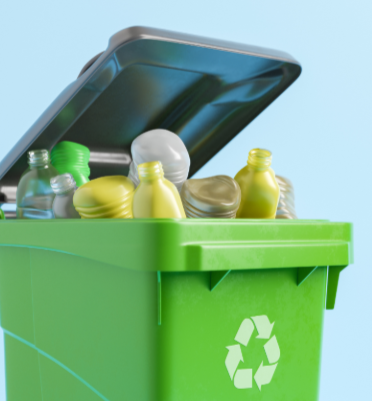
Polypropylene (PP) is one of the most commonly used plastics in packaging, automotive components, household goods, and industrial applications. Its versatility, durability, and resistance to heat and chemicals make it a preferred material for many products. However, the widespread use of polypropylene also presents environmental challenges, as improper disposal can contribute to plastic pollution. PP Recycling services provide a sustainable solution by professionally collecting, processing, and repurposing polypropylene materials.
Understanding Polypropylene and Its Uses
Polypropylene is a thermoplastic polymer known for its strength, lightweight properties, and resistance to fatigue. It is commonly found in packaging such as containers, caps, and films, as well as automotive parts, furniture, and textiles. Its chemical stability allows it to withstand repeated use, making it ideal for durable products. Despite its advantages, polypropylene can take hundreds of years to decompose in landfills, emphasizing the need for effective recycling programs.
The Importance of PP Recycling
Recycling polypropylene reduces environmental impact and conserves natural resources. By collecting and reprocessing PP waste, recycling services help minimize landfill accumulation and prevent plastic pollution in oceans and ecosystems. Additionally, recycled polypropylene can be transformed into new products, reducing the need for virgin plastic production. This process not only conserves petroleum resources but also lowers greenhouse gas emissions associated with manufacturing.
PP recycling is an essential component of sustainable waste management, particularly in industries that generate large volumes of polypropylene waste. Professional services ensure that PP is separated from other plastics, cleaned, and processed in a way that maximizes its reuse potential.
Professional Recycling Services
Professional PP recycling services offer end-to-end solutions for managing polypropylene waste. Services typically include collection, sorting, cleaning, and processing of PP materials. Collection involves coordinating with businesses, manufacturers, and households to gather polypropylene waste efficiently. Proper sorting ensures that PP is separated from other types of plastic, which is crucial for maintaining quality in the recycling process.
Cleaning and processing are important steps in recycling polypropylene. Materials are washed to remove contaminants such as labels, adhesives, or food residues. After cleaning, the PP is shredded or granulated, making it suitable for manufacturing new products. Some services also perform quality checks to ensure the recycled polypropylene meets industry standards for durability and performance.
Applications of Recycled Polypropylene
Recycled polypropylene can be repurposed into a wide range of products, demonstrating its versatility. Common applications include packaging materials, plastic furniture, automotive components, construction materials, and consumer goods. Recycled PP can also be used in fibers for textiles, such as carpets, mats, and industrial fabrics. By converting waste into useful products, PP recycling supports circular economy practices, reducing reliance on non-renewable resources and promoting sustainable manufacturing.
Environmental and Economic Benefits
PP recycling offers both environmental and economic advantages. Environmentally, it reduces plastic pollution, conserves energy, and decreases greenhouse gas emissions. Economically, recycling creates business opportunities, generates revenue from waste materials, and reduces costs associated with raw material procurement. Companies that adopt PP recycling practices can also enhance their sustainability credentials, appealing to environmentally conscious consumers and stakeholders.
Challenges in PP Recycling
While PP recycling is highly beneficial, it does face challenges. Contamination with other materials, such as food waste or mixed plastics, can lower the quality of recycled polypropylene. Additionally, different grades of PP require specific processing methods, making it necessary for recycling facilities to have advanced equipment and expertise. Professional recycling services address these challenges through specialized processes, ensuring that the final product meets industry standards and is suitable for reuse.
Conclusion
PP recycling plays a vital role in promoting sustainable practices and reducing the environmental impact of plastic waste. Professional services offer comprehensive solutions for collecting, sorting, cleaning, and processing polypropylene materials, transforming them into valuable resources for manufacturing. By supporting PP recycling, businesses and individuals contribute to a circular economy, conserve natural resources, and help protect the environment for future generations. Through efficient and responsible recycling practices, polypropylene can continue to be a versatile material while minimizing its ecological footprint.
